
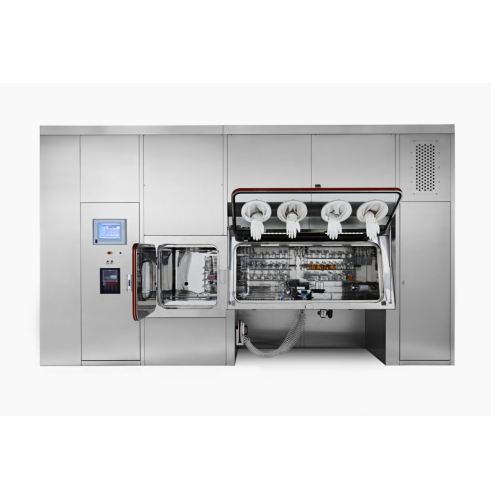
Bio-decontamination equipment is a crucial component in manufacturing and processing industries where maintaining sterile and contaminant-free environments is essential. This equipment is specifically designed to eliminate or neutralize biological contaminants, such as bacteria, viruses, fungi, and spores, from surfaces, equipment, air, or enclosed spaces. Industries such as pharmaceuticals, biotechnology, healthcare, food processing, and aerospace rely on bio-decontamination equipment to ensure product safety, regulatory compliance, and the integrity of sensitive processes.
Bio-decontamination is achieved through various methods, including vaporized hydrogen peroxide (VHP), ultraviolet (UV) light, ozone, and chemical disinfectants. These technologies are tailored to meet the specific requirements of different applications, ensuring thorough sterilization without compromising the materials or equipment being treated. Advanced bio-decontamination systems are equipped with automated control features, enabling precise monitoring and validation of the decontamination process.
We are continuously updating the information on our website to serve you better! If you’re seeking details about our equipment or have any specific inquiries, please don’t hesitate to reach out to us at info@foodtecpro.com. Our dedicated team is ready to assist you, and one of our managers will get in touch with you shortly to provide the information you need. Thank you for your patience and support!
Bio- Decontamination Equipment

Bio- Decontamination Equipment

Bio- Decontamination Equipment

PROCESS SOLUTIONS
Material Preparation
Material Sorting and Organization
Material Handling
Mixing, Blending and Agitation
Heating and Cooking
Cooling and Preservation
Separation and Filtration
Forming and Shaping
Coating and Decorating
Packaging and Sealing
Automation and Control
Sanitation and Cleaning
Inspection and Quality Control
Storage and Preservation
Chemical and Advanced Processes
- Blowing Equipment
- Carbonation Equipment
- Concentration Equipment
- Crystallization Equipment
- Dissolution Equipment
- Evaporation Equipment
- Extraction Equipment
- Distillation Equipment
- Fermentation Equipment
- Encapsulation Equipment
- Degassing Equipment
- Dehumidifying Equipment
- Dehydration Equipment
- Bio-Decontamination Equipment
Waste Management and Recovery
Final Processes and Finishing

Join Us at Global Exhibitions Near You
We’re excited to showcase our latest innovations and solutions at exhibitions around the world! These events are the perfect opportunity to connect with our team, explore our cutting-edge technologies, and discover how we can support your business needs. Join us at a location near you and experience firsthand how we’re shaping the future of industries. We look forward to meeting you!
Bio-Decontamination Equipment
Bio-decontamination equipment is essential in industries where maintaining sterility and preventing contamination is critical to operations. This equipment is specifically designed to eliminate harmful biological contaminants such as bacteria, viruses, fungi, and spores from surfaces, equipment, enclosed spaces, and air. Bio-decontamination processes are critical in industries such as pharmaceuticals, biotechnology, healthcare, food processing, and aerospace, ensuring product safety, regulatory compliance, and the integrity of sensitive environments.
The methods used for bio-decontamination vary depending on the application, with technologies such as vaporized hydrogen peroxide (VHP), ultraviolet (UV) light, ozone, and chemical disinfectants being commonly used. These systems are engineered to meet strict sterility requirements, making them indispensable for cleanrooms, laboratories, medical environments, and manufacturing facilities. Advanced bio-decontamination equipment is often equipped with automated systems for precise monitoring, validation, and control, ensuring consistent and effective decontamination processes.
Types of Bio-Decontamination Equipment
- Vaporized Hydrogen Peroxide (VHP) Systems. VHP systems use vaporized hydrogen peroxide to sterilize surfaces and environments. The vapor penetrates hard-to-reach areas, effectively neutralizing biological contaminants. Applications: Widely used in pharmaceutical cleanrooms, isolators, laboratories, and medical device manufacturing.
- Ultraviolet (UV) Light Systems. UV light systems emit ultraviolet-C (UV-C) radiation, which disrupts the DNA or RNA of microorganisms, rendering them inactive. Applications: Commonly used in healthcare facilities, air and water purification systems, and food processing plants for surface and air decontamination.
- Ozone Generators. Ozone generators produce ozone gas, a powerful oxidizing agent that destroys microorganisms by breaking down their cell walls. Applications: Used for decontaminating air, water, and surfaces in food processing, water treatment facilities, and pharmaceutical manufacturing.
- Chemical Fogging and Misting Systems. These systems disperse fine droplets of chemical disinfectants in the form of mist or fog to reach all surfaces within a given space, ensuring thorough decontamination. Applications: Commonly used in food production facilities, warehouses, and healthcare settings.
- Cleanroom Decontamination Systems. Designed specifically for cleanrooms, these systems use a combination of HEPA filtration, VHP, UV light, or chemical agents to maintain sterile conditions. Applications: Used extensively in pharmaceutical manufacturing and biotechnology research.
- Air Decontamination Units. Air decontamination units use HEPA filters, UV-C light, or chemical agents to remove airborne microorganisms and contaminants. Applications: Used in hospitals, laboratories, and food processing facilities to ensure clean air quality.
- Autoclaves and Sterilizers. Autoclaves use high-pressure steam to sterilize equipment and materials, effectively killing microorganisms and spores. Applications: Common in healthcare, pharmaceuticals, and laboratories for sterilizing surgical tools, instruments, and reusable equipment.
- Portable Decontamination Systems. Portable systems are compact and mobile, designed for quick and localized bio-decontamination of specific areas or equipment. Applications: Used in emergency response situations, small-scale manufacturing, and healthcare facilities.
- Robotic Decontamination Systems. These systems use automated robots equipped with UV-C emitters, VHP generators, or misting systems to decontaminate large spaces without human intervention. Applications: Used in hospitals, airports, and high-traffic areas to ensure thorough and automated sterilization.
- Decontamination Tunnels. Decontamination tunnels are designed for personnel or equipment to pass through, ensuring that they are disinfected before entering clean environments. Applications: Used in high-security cleanrooms, food processing facilities, and pharmaceutical production units.
Importance of Bio-Decontamination Equipment in Industrial Processing
- Ensuring Product Safety: Bio-decontamination eliminates harmful biological contaminants, ensuring the safety and sterility of products such as pharmaceuticals, medical devices, and food.
- Maintaining Regulatory Compliance: Many industries are subject to stringent regulatory requirements for sterility and contamination control. Bio-decontamination equipment ensures compliance with standards such as ISO 14644 for cleanrooms and GMP (Good Manufacturing Practices).
- Protecting Sensitive Processes: In industries like biotechnology and pharmaceuticals, contamination can compromise critical processes. Bio-decontamination equipment helps maintain controlled environments to safeguard these operations.
- Reducing Risks to Human Health: By eliminating pathogens, bio-decontamination equipment minimizes the risk of infections and cross-contamination, particularly in healthcare and food processing environments.
- Enhancing Operational Efficiency: Automated and effective bio-decontamination systems streamline processes, reduce downtime, and improve overall productivity.
Applications of Bio-Decontamination Equipment Across Industries
Pharmaceutical and Biotechnology Industry
- Decontaminating cleanrooms, isolators, and production equipment.
- Sterilizing packaging materials, instruments, and storage areas.
Healthcare and Hospitals
- Ensuring sterile environments in operating rooms, patient wards, and laboratories.
- Disinfecting reusable medical equipment and devices.
Food and Beverage Industry
- Disinfecting production lines, packaging areas, and storage facilities.
- Eliminating microbial contamination from food surfaces and processing equipment.
Aerospace Industry
- Maintaining contamination-free conditions in spacecraft assembly and testing facilities.
- Decontaminating sensitive equipment and cleanrooms.
Laboratories and Research Facilities
- Sterilizing laboratory spaces, equipment, and instruments to ensure accurate research results.
- Preventing cross-contamination in experiments and testing.
Public Spaces and Transportation
- Decontaminating high-traffic areas such as airports, train stations, and schools.
- Ensuring pathogen-free conditions in public transportation vehicles.
Bio-decontamination equipment is a cornerstone of modern manufacturing and processing, ensuring the safety, sterility, and compliance of products and environments across various industries. From vaporized hydrogen peroxide systems for cleanrooms to UV-C light for air and surface sterilization, these technologies are designed to meet the diverse needs of industries that prioritize contamination control. As industries continue to advance and adopt stricter standards for hygiene and quality, the demand for bio-decontamination equipment will remain a critical factor in supporting safe and efficient operations.


