
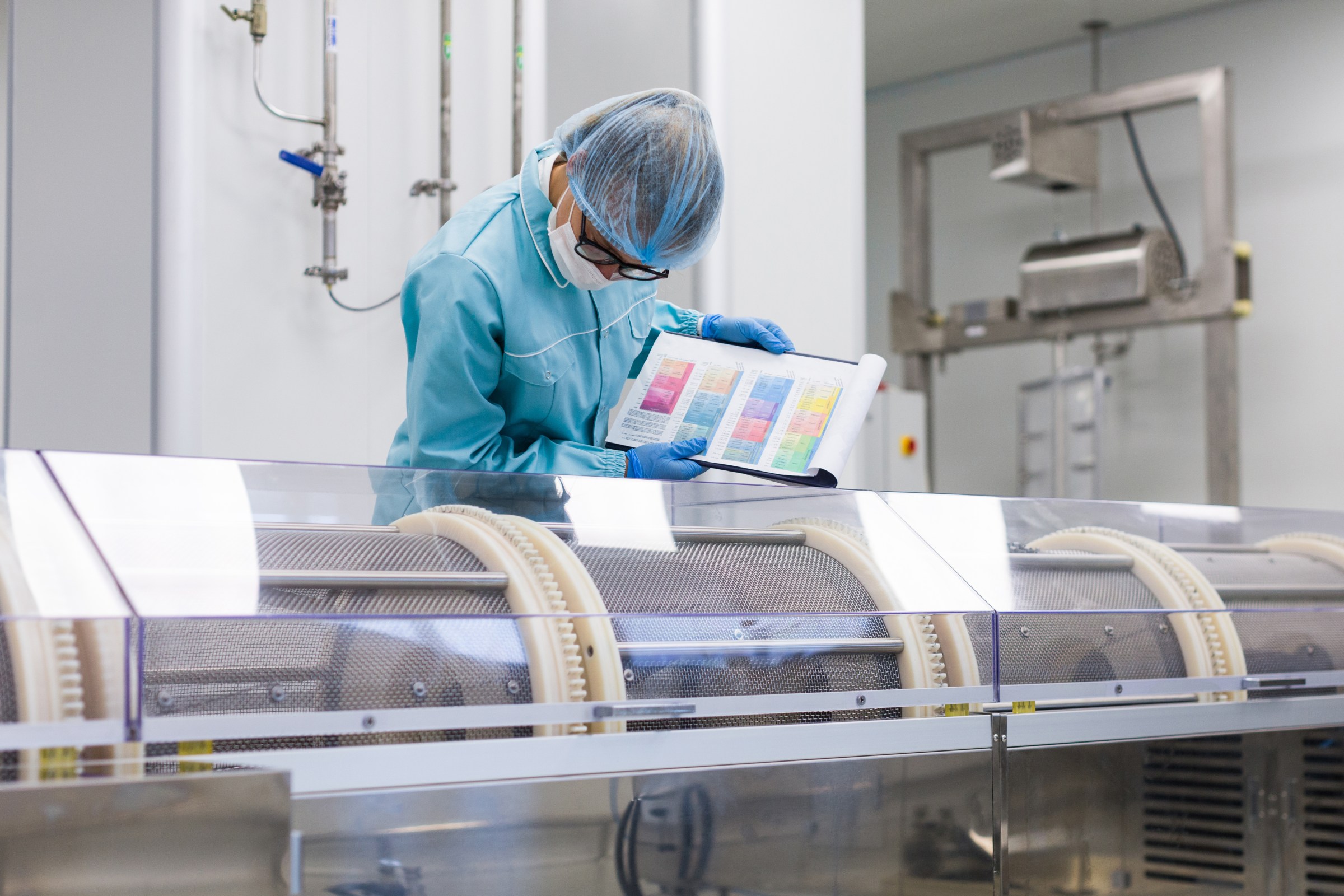
Industrial processing testing equipment encompasses a diverse range of tools and technologies designed to evaluate the performance, quality, and safety of materials and products throughout various stages of manufacturing. This equipment is essential for ensuring that processes meet regulatory standards, adhere to quality benchmarks, and operate efficiently. By providing critical insights into material properties and production parameters, testing equipment enables organizations to maintain high levels of quality control, optimize processes, and reduce the risk of defects.
The application of industrial processing testing equipment spans numerous industries, including food and beverage, pharmaceuticals, chemicals, and manufacturing. These tools facilitate comprehensive testing methodologies, such as mechanical testing, chemical analysis, and physical property assessment, ensuring that both raw materials and finished products meet specified standards.
We are continuously updating the information on our website to serve you better! If you’re seeking details about our equipment or have any specific inquiries, please don’t hesitate to reach out to us at info@foodtecpro.com. Our dedicated team is ready to assist you, and one of our managers will get in touch with you shortly to provide the information you need. Thank you for your patience and support!
Testing Equipment

Testing Equipment

Testing Equipment

PROCESS SOLUTIONS
Material Preparation
Material Sorting and Organization
Material Handling
Mixing, Blending and Agitation
Heating and Cooking
Cooling and Preservation
Separation and Filtration
Forming and Shaping
Coating and Decorating
Packaging and Sealing
Automation and Control
Sanitation and Cleaning
Inspection and Quality Control
Storage and Preservation
Chemical and Advanced Processes
- Blowing Equipment
- Carbonation Equipment
- Concentration Equipment
- Crystallization Equipment
- Dissolution Equipment
- Evaporation Equipment
- Extraction Equipment
- Distillation Equipment
- Fermentation Equipment
- Encapsulation Equipment
- Degassing Equipment
- Dehumidifying Equipment
- Dehydration Equipment
- Bio-Decontamination Equipment
Waste Management and Recovery
Final Processes and Finishing

Join Us at Global Exhibitions Near You
We’re excited to showcase our latest innovations and solutions at exhibitions around the world! These events are the perfect opportunity to connect with our team, explore our cutting-edge technologies, and discover how we can support your business needs. Join us at a location near you and experience firsthand how we’re shaping the future of industries. We look forward to meeting you!
Testing Equipment
Industrial processing testing equipment refers to a variety of tools and devices specifically designed to assess and evaluate the properties, performance, and safety of materials and products during the manufacturing process. This equipment is essential for ensuring that products meet quality standards, comply with regulatory requirements, and function as intended in their respective applications. By employing advanced testing methodologies, organizations can maintain high levels of quality control, optimize production processes, and minimize the risk of defects.
Testing equipment plays a vital role across various industries, including food and beverage, pharmaceuticals, chemicals, and manufacturing. The insights gained from testing help businesses make informed decisions regarding material selection, process adjustments, and product development.
Types of Industrial Processing Testing Equipment
- Mechanical Testing Equipment. Mechanical testing equipment evaluates the physical properties of materials, including tensile strength, compressive strength, hardness, and fatigue resistance. Common methods include tensile testing, impact testing, and hardness testing. Applications: Widely used in materials science, engineering, and manufacturing to assess the performance of metals, plastics, and composites under various stress conditions.
- Chemical Analysis Equipment. Chemical analysis equipment is used to determine the composition and chemical properties of materials. Techniques such as chromatography, spectroscopy, and titration are commonly employed. Applications: Essential in industries such as pharmaceuticals, food and beverage, and chemicals to ensure product purity, safety, and compliance with regulatory standards.
- Thermal Analysis Equipment. Thermal analysis equipment evaluates how materials respond to changes in temperature, assessing properties such as thermal stability, heat capacity, and phase transitions. Common techniques include differential scanning calorimetry (DSC) and thermogravimetric analysis (TGA). Applications: Used in materials development and quality control in industries like plastics, pharmaceuticals, and electronics to understand material behavior under thermal conditions.
- Non-Destructive Testing (NDT) Equipment. NDT equipment is designed to assess the integrity of materials and components without causing damage. Techniques include ultrasonic testing, radiographic testing, and dye penetrant testing. Applications: Crucial in industries such as aerospace, automotive, and construction to ensure the safety and reliability of critical components.
- Physical Property Testing Equipment. This equipment measures various physical properties, such as viscosity, density, and moisture content. Techniques may include viscometry, pycnometry, and moisture analyzers. Applications: Commonly used in the food and beverage industry, pharmaceuticals, and chemical manufacturing to ensure consistent product quality.
- Environmental Testing Equipment. Environmental testing equipment assesses materials and products under various environmental conditions, such as temperature, humidity, and exposure to chemicals. This testing helps evaluate durability and performance in real-world conditions. Applications: Used in industries like construction and automotive to test materials for weather resistance, corrosion, and other environmental factors.
- Quality Control Testing Equipment. Quality control testing equipment encompasses various tools used to monitor and assure the quality of products throughout the manufacturing process. This can include automated inspection systems and statistical process control (SPC) software. Applications: Widely utilized in manufacturing environments to ensure that products meet specified quality standards before reaching the market.
Importance of Industrial Processing Testing Equipment
- Quality Assurance: Testing equipment is fundamental for maintaining high-quality standards, enabling organizations to detect defects and ensure that products meet specifications.
- Regulatory Compliance: Many industries face stringent regulations regarding product safety and quality. Testing equipment helps ensure compliance, reducing the risk of penalties and product recalls.
- Process Optimization: Regular testing allows for the monitoring of production processes, enabling organizations to make data-driven adjustments that enhance efficiency and reduce waste.
- Risk Management: By identifying potential issues early through effective testing, organizations can mitigate risks associated with product defects, safety concerns, and regulatory non-compliance.
- Consumer Trust: Consistent quality assurance through rigorous testing practices fosters consumer confidence in products, enhancing brand reputation and loyalty.
Industrial processing testing equipment is an essential component of modern manufacturing, ensuring that products meet quality, safety, and regulatory standards while optimizing operational efficiency. From mechanical testing and chemical analysis to non-destructive testing and environmental assessments, each type of testing equipment serves a specific purpose in maintaining high product quality. As industries increasingly prioritize quality assurance and compliance, investing in reliable and advanced testing equipment will be crucial for achieving sustained growth and success in a competitive marketplace.


