
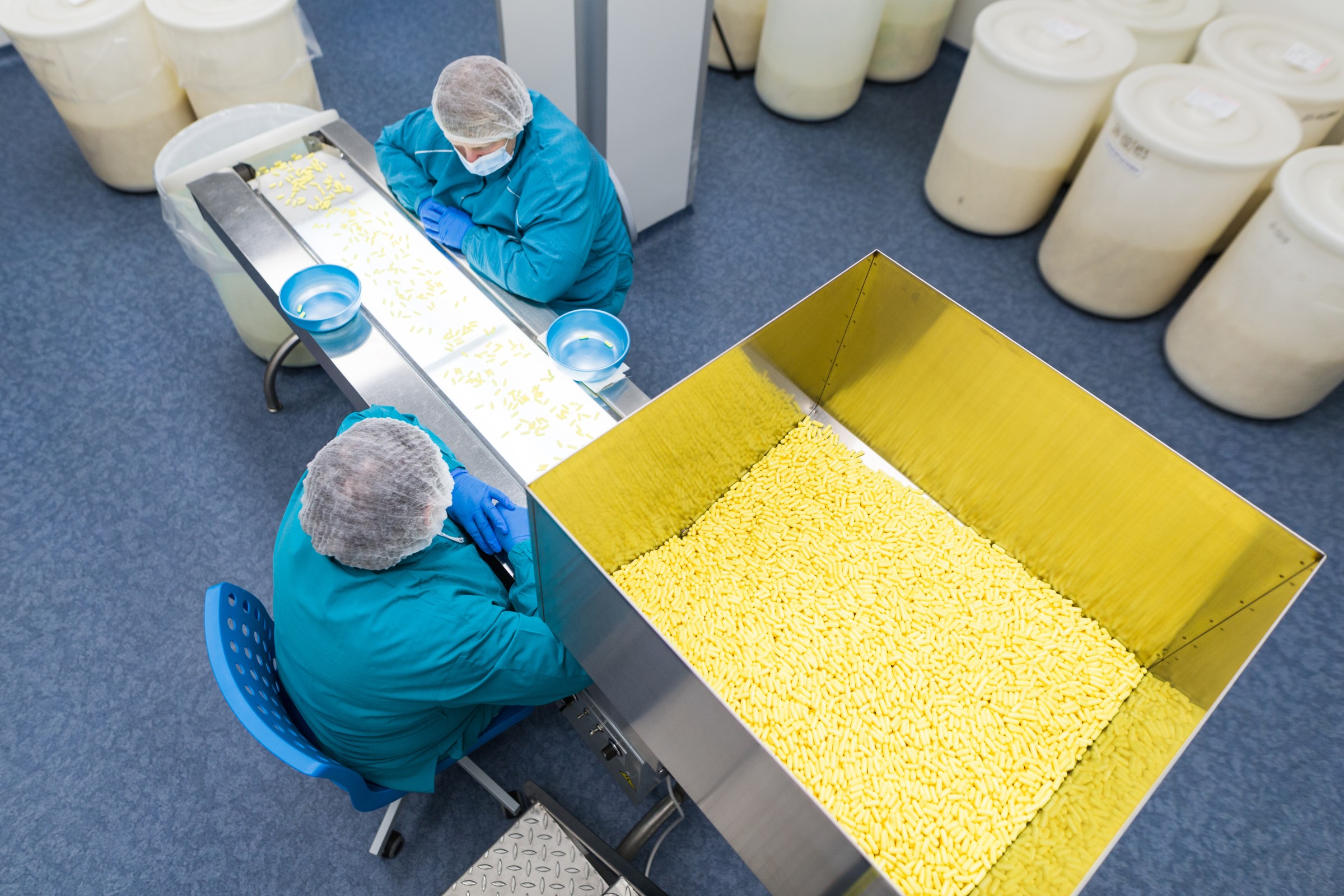
Sorting solutions are crucial in the food industry, ensuring products like seeds, fruits, vegetables, grains, and snacks consistently meet quality and safety standards. Modern systems—using optical, mechanical, and AI technologies—automatically separate foods by size, color, shape, and other attributes, efficiently handling diverse products from berries and beans to chips and seafood. These technologies detect and remove defects or contaminants, improving accuracy, reducing waste, and enhancing food safety.
By automating sorting, processors boost efficiency, reduce manual labor, and achieve more consistent product quality. Sorting solutions are essential for delivering safe, high-quality foods while helping manufacturers meet regulatory requirements, optimize resources, and minimize waste in today’s competitive markets.
We are continuously updating the information on our website to serve you better! If you’re seeking details about our equipment or have any specific inquiries, please don’t hesitate to reach out to us at info@foodtecpro.com. Our dedicated team is ready to assist you, and one of our managers will get in touch with you shortly to provide the information you need. Thank you for your patience and support!
Sorting Technologies


































Sorting Process Equipment
Sorting is a vital process in food manufacturing, ensuring that only high-quality, uniform, and safe products reach consumers. Modern sorting lines use a combination of mechanical, optical, and automated technologies to separate, classify, and remove defective or foreign items from a wide range of food products. Below is a detailed, stepwise overview of the equipment and process flow for a factory utilizing sorting technology, tailored to the products you listed.
1. Raw Material Handling & Storage
- Bulk storage silos and bins: For grains, seeds, beans, and nuts.
- Refrigerated storage: For perishable items like berries, avocados, leafy vegetables, and fish fillets.
- Ingredient bins and hoppers: For pre-cleaned, pre-processed ingredients.
- Automated feeding and dosing systems: For precise delivery to sorting lines.
- Conveyor belts and elevators: For moving raw materials to sorting stations.
2. Ingredient Preparation
- Washing machines: Rotary drum, brush, or bubble washers for fruits, vegetables, and leafy greens.
- Pre-sorting and dewatering tables: For removing excess water and debris before sorting.
- Pre-cutting/dicing machines: For products like apple wedges, potato wedges, and chips.
- De-hulling and shelling machines: For seeds, nuts, and beans.
3. Sorting & Grading
- Optical Sorters:
Use cameras, lasers, and near-infrared sensors to detect color, size, shape, and defects. Ideal for berries, tomatoes, leafy vegetables, nuts, dried fruits, and snack chips. Can remove foreign materials, under/overripe produce, and surface defects. - Mechanical Sorters:
Include vibrating screens, rotary drum sorters, and air classifiers. Used for size and density sorting of grains, seeds, peas, beans, and root vegetables. - Weight and Size Graders:
Conveyor belts, rollers, or vibrating platforms separate products by weight or size. Essential for avocados, potatoes, carrots, lemons, and watermelons. - Color and Defect Sorters:
High-speed cameras and machine vision systems detect subtle color variations and surface defects, ensuring only premium produce advances. - Manual Sorting Tables:
Used for final inspection and removal of any remaining defects, especially in high-value or delicate products like berries, salad bags, and mushrooms.
4. Auxiliary Processing (Post-Sorting)
- Air classifiers: For further separation of light and heavy fractions, especially in seeds and grains.
- Optical sorters (secondary): For additional quality control, especially in mixed salad bags, trail mix, and dried foods.
- Metal detectors and magnets: For removal of metallic contaminants.
- Mixers and blenders: For recombining sorted fractions or blending with other ingredients (e.g., trail mix, legume snacks).
5. Packaging
- Automated packaging lines: For sorted fruits, vegetables, grains, and snacks.
- Weighing, filling, and sealing machines: For precise portioning and packaging.
- Labeling and coding systems: For traceability and compliance.
6. Conveying & Material Handling
- Conveyor belts: For moving product between process steps.
- Bucket elevators: For vertical transport of sorted products.
- Pneumatic conveying systems: For gentle transfer of delicate items like dried herbs and berries.
7. Quality Control & Inspection
- Vision inspection systems: For particle size, color, and surface defect detection.
- Sampling and laboratory analysis equipment: For moisture, size, and microbial safety.
- HACCP plans and microbiological testing: Especially for ready-to-eat and perishable products.
8. Hygiene & Cleaning
- CIP (Clean-in-Place) systems: For sorters, conveyors, and bins.
- Dust extraction and ventilation: Critical for dry products like seeds, grains, and dried foods.
9. Automation & Control
- PLC and SCADA systems: For process automation and monitoring.
- Batch tracking and traceability systems: For food safety and quality assurance.
PROCESS SOLUTIONS
Material Preparation
- Aeration Solutions
- Agglomeration Solutions
- Granulation Solutions
- Crushing Solutions
- Cutting Solutions
- Grinding Solutions
- Milling Solutions
- Sieving Solutions
- Sifting Solutions
- Size Reduction Solutions
Material Sorting and Organization
- Sorting Solutions
- Dividing Solutions
- Grouping Solutions
- Portioning Solutions
Material Handling
- Handling Solutions
- Feeding Solutions
- Loading Solutions
- Lifting Solutions
- Depalletizing Solutions
- Palletizing Solutions
- Palleting Solutions
- Unloading Solutions
Mixing, Blending and Agitation
- Agitation Solutions
- Blending Solutions
- Mixing Solutions
- Homogenization Solutions
- Kneading Solutions
- Emulsifying Solutions
- Dispersion Solutions
- Dispersing Solutions
- Stirring Solutions
Heating and Cooking
- Baking Solutions
- Boiling Solutions
- Cooking Solutions
- Frying Solutions
- Heating Solutions
- Preheating Solutions
- Roasting Solutions
- Pasteurizing Solutions
- Tempering Solutions
- Conching Solutions
- Proofing Solutions
- Smoking Solutions
Cooling and Preservation
- Chilling Solutions
- Cooling Solutions
- Freezing Solutions
- Conditioning Solutions
- Icing Solutions
- Cryogenic Freezing Solutions
- Lyophilization Solutions
- Vacuum Solutions
Separation and Filtration
- Centrifuging Solutions
- Clarifying Solutions
- Filtration Solutions
- Separating Solutions
- Separation Solutions
- Dewatering Solutions
- Draining Solutions
Forming and Shaping
- Forming Solutions
- Molding Solutions
- Moulding Solutions
- Compression Solutions
- Extrusion Solutions
- Conching Solutions
- Shaping Solutions
- Lamination Solutions
- Sheeting Solutions
- Stretching Solutions
Coating and Decorating
- Coating Solutions
- Decorating Solutions
- Enrobing Solutions
- Polishing Solutions
Packaging and Sealing
- Bagging Solutions
- Canning Solutions
- Cartoning Solutions
- Wrapping Solutions
- Sealing Solutions
- Capping Solutions
- Folding Solutions
- Stoppering Solutions
- Packaging Solutions
- Packing Solutions
- Bottling Solutions
Automation and Control
- Aligning Solutions
- Automation Solutions
- Measurement Solutions
- Monitoring Solutions
- Operation Solutions
- Integration Solutions
- Control Solutions
Sanitation and Cleaning
- Cleaning Solutions
- Sanitation Solutions
- Disinfection Solutions
- Bio-Decontamination Solutions
- Decontamination Solutions
- Washing Solutions
- Dedusting Solutions
- Rinsing Solutions
Inspection and Quality Control
- Analysis Solutions
- Inspection Solutions
- Detection Solutions
- Sampling Solutions
- Testing Solutions
- Validation Solutions
- Verification Solutions
- Quality Control Solutions
Storage and Preservation
- Storage Solutions
- Containment Solutions
- Vacuum Solutions
Chemical and Advanced Processes
- Blowing Solutions
- Carbonation Solutions
- Concentration Solutions
- Crystallization Solutions
- Dissolution Solutions
- Evaporation Solutions
- Extraction Solutions
- Distillation Solutions
- Fermentation Solutions
- Encapsulation Solutions
- Degassing Solutions
- Dehumidifying Solutions
- Dehydration Solutions
- Bio-Decontamination Solutions
Waste Management and Recovery
- Recycling Solutions
- Recovery Solutions
- Emptying Solutions
Final Processes and Finishing
- Labeling Solutions
- Marking Solutions
- Printing Solutions
- Shredding Solutions
- Slicing Solutions
- Peeling Solutions
- Trimming Solutions
- Testing Solutions


Process Flow Example for Selected Products
Berries, Leafy Vegetables, Tomatoes:
Raw Material Handling → Washing → Optical Sorting (color, size, defect) → Manual Sorting (if needed) → Packaging
Grains, Seeds, Beans:
Raw Material Handling → Cleaning & Dehulling → Mechanical Sorting (size, density) → Optical Sorting (color, defect) → Packaging
Frozen Foods, Snack Chips, Dried Fruits:
Raw Material Handling → Washing/Pre-processing → Optical Sorting (color, shape) → Weight/Size Grading → Packaging

Join Us at Global Exhibitions Near You
We’re excited to showcase our latest innovations and solutions at exhibitions around the world! These events are the perfect opportunity to connect with our team, explore our cutting-edge technologies, and discover how we can support your business needs. Join us at a location near you and experience firsthand how we’re shaping the future of industries. We look forward to meeting you!
Sorting Equipment
Sorting equipment is an essential part of material handling and processing systems across various industries. It is designed to separate and classify materials based on specific characteristics such as size, shape, weight, color, or composition. This equipment plays a crucial role in optimizing production processes, enhancing product quality, and ensuring operational efficiency. Industries such as food processing, recycling, mining, and manufacturing utilize sorting technology to effectively manage materials and streamline workflows.
Types of Sorting Equipment
- Mechanical Sorters. Mechanical sorters use physical mechanisms such as conveyors, belts, and chutes to separate materials based on size or weight. They often involve gravity or mechanical motion to facilitate sorting. Applications: Commonly used in manufacturing and recycling facilities to separate various materials, including metals, plastics, and other bulk items.
- Optical Sorters. Optical sorting technology employs cameras and sensors to analyze and identify materials based on visual characteristics such as color, shape, and size. Once identified, the equipment uses air jets or mechanical arms to separate the materials. Applications: Widely used in food processing to sort fruits, vegetables, and nuts, as well as in recycling to distinguish between different materials, such as plastics and glass.
- Weight Sorters. Weight sorting equipment utilizes scales to measure the weight of individual items or batches. Items are sorted into different categories based on predefined weight ranges. Applications: Commonly used in the food industry for portion control and quality assurance, as well as in manufacturing for ensuring consistency in product weights.
- Magnetic Sorters. Magnetic sorting equipment uses magnets to attract ferrous materials and separate them from non-ferrous materials. This method is particularly effective in recycling and metal processing. Applications: Frequently employed in waste management facilities to recover metals from mixed waste streams and in mining to separate valuable ores from gangue.
- Air Classifiers. Air classifiers utilize a stream of air to separate particles based on their size and density. Lighter particles are carried away by the airflow, while heavier particles fall to a collection point. Applications: Often used in the mineral and chemical industries to achieve precise particle size distributions and improve product quality.
- Manual Sorters. Manual sorting involves human operators who visually inspect and separate materials based on specific criteria. This method is often used in conjunction with automated sorting systems for quality control. Applications: Common in recycling facilities and food processing plants where operators can identify defects or unwanted materials that machines may miss.
Benefits of Sorting Equipment
- Enhanced Efficiency: Sorting equipment automates the separation process, significantly reducing manual labor and increasing the speed of operations.
- Improved Product Quality: By effectively sorting materials, companies can ensure that only high-quality items are processed or packaged, leading to better end products.
- Cost Savings: Efficient sorting reduces waste and contamination, leading to lower disposal costs and increased recovery of valuable materials.
- Versatility: Different types of sorting equipment can handle a wide range of materials and applications, making them adaptable to the specific needs of various industries.
Sorting equipment plays a vital role in the efficient processing and handling of materials across numerous industries. From mechanical sorters and optical sorting systems to weight sorters and magnetic separators, these tools are designed to enhance operational efficiency and improve product quality. Understanding the capabilities and applications of sorting equipment is essential for businesses seeking to optimize their processes, reduce costs, and meet the diverse needs of their customers. As industries continue to evolve, effective sorting technologies remain critical in achieving operational excellence and maintaining high standards of quality and safety.