
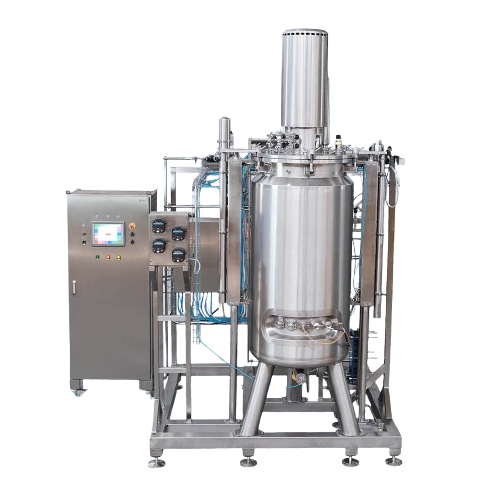
Fermentation equipment is a fundamental component in industrial manufacturing and processing, enabling the controlled biochemical conversion of raw materials into valuable products. Fermentation is a process that involves microorganisms such as bacteria, yeast, or fungi breaking down organic compounds—typically sugars—to create desired end products such as alcohol, pharmaceuticals, biofuels, and food additives. In industries ranging from food and beverage to biotechnology and pharmaceuticals, fermentation equipment plays a critical role in ensuring efficient, scalable, and high-quality production.
Modern fermentation equipment is designed to provide precise control over environmental parameters such as temperature, pH, agitation, oxygen levels, and nutrient supply. These factors are crucial for optimizing microbial activity and ensuring consistent and reliable fermentation outcomes. With the rise of biotechnology and the growing demand for sustainable solutions, fermentation technology has become more advanced, allowing industries to expand their capabilities and innovate in product development.
We are continuously updating the information on our website to serve you better! If you’re seeking details about our equipment or have any specific inquiries, please don’t hesitate to reach out to us at info@foodtecpro.com. Our dedicated team is ready to assist you, and one of our managers will get in touch with you shortly to provide the information you need. Thank you for your patience and support!
Fermentation Equipment

Fermentation Equipment

Fermentation Equipment

PROCESS SOLUTIONS
Material Preparation
Material Sorting and Organization
Material Handling
Mixing, Blending and Agitation
Heating and Cooking
Cooling and Preservation
Separation and Filtration
Forming and Shaping
Coating and Decorating
Packaging and Sealing
Automation and Control
Sanitation and Cleaning
Inspection and Quality Control
Storage and Preservation
Chemical and Advanced Processes
- Blowing Equipment
- Carbonation Equipment
- Concentration Equipment
- Crystallization Equipment
- Dissolution Equipment
- Evaporation Equipment
- Extraction Equipment
- Distillation Equipment
- Fermentation Equipment
- Encapsulation Equipment
- Degassing Equipment
- Dehumidifying Equipment
- Dehydration Equipment
- Bio-Decontamination Equipment
Waste Management and Recovery
Final Processes and Finishing

Join Us at Global Exhibitions Near You
We’re excited to showcase our latest innovations and solutions at exhibitions around the world! These events are the perfect opportunity to connect with our team, explore our cutting-edge technologies, and discover how we can support your business needs. Join us at a location near you and experience firsthand how we’re shaping the future of industries. We look forward to meeting you!
Fermentation Equipment
Fermentation equipment is a critical component in the manufacturing and processing of products that rely on biological processes to convert raw materials into desired end-products. This equipment is specifically designed to facilitate and control fermentation, a biochemical process where microorganisms such as bacteria, yeast, or fungi are used to break down organic compounds under controlled conditions.
Fermentation is central to a wide range of industries, including pharmaceuticals, food and beverage, biofuels, and biotechnology. Products such as antibiotics, enzymes, ethanol, yogurt, beer, wine, and probiotics are all the result of fermentation processes. The efficiency and precision of fermentation equipment directly impact the yield, quality, and consistency of these products, making it a cornerstone of industrial production.
Types of Fermentation Equipment
- Bioreactors/Fermenters. Bioreactors, also known as fermenters, are vessels designed to provide optimal conditions for microbial or cell growth. They regulate parameters such as temperature, pH, agitation, and oxygen supply to ensure efficient fermentation. Applications: Used in the production of antibiotics, biofuels, enzymes, and fermented foods like yogurt and beer.
- Aerobic Fermenters. These fermenters are designed for processes that require oxygen. They are equipped with aeration systems to supply oxygen and ensure proper mixing. Applications: Commonly used in the production of beer, wine, vinegar, and certain pharmaceuticals like penicillin.
- Anaerobic Fermenters. These fermenters operate without oxygen and are sealed to prevent air from entering. They are used for processes involving anaerobic microorganisms. Applications: Used in the production of biogas, ethanol, and certain organic acids.
- Stirred-Tank Fermenters. Stirred-tank fermenters use mechanical agitation to mix the contents of the vessel, ensuring uniform distribution of nutrients, temperature, and pH. Applications: Widely used for microbial fermentation in pharmaceuticals, food production, and biotechnology.
- Photo-Bioreactors. Photo-bioreactors are specialized fermenters that use light as an energy source, enabling the growth of photosynthetic organisms like algae. Applications: Used in the production of biofuels, nutritional supplements, and pigments.
- Solid-State Fermentation Equipment. This equipment is used for fermentation processes that occur on solid materials without free-flowing liquid, such as grains or substrates. Applications: Commonly used for producing enzymes, antibiotics, and fermented food products like soy sauce and tempeh.
- Submerged Fermentation Equipment. Submerged fermentation involves growing microorganisms in a liquid medium. The equipment regulates aeration, agitation, and other parameters to ensure optimal microbial growth. Applications: Used in the production of enzymes, vitamins, and certain bio-based chemicals.
- Fermentation Control Systems. Advanced control systems monitor and regulate critical parameters such as temperature, pH, dissolved oxygen, and nutrient levels. These systems ensure optimal fermentation conditions and product consistency. Applications: Integrated across all types of fermentation equipment to improve process efficiency and product quality.
Importance of Fermentation Equipment in Industrial Processing
- Product Quality and Yield: High-quality fermentation equipment ensures that microorganisms grow under optimal conditions, maximizing yield and consistency in the final product.
- Scalability: Modern fermentation systems are designed to scale from laboratory research to industrial production, enabling seamless transitions from R&D to large-scale manufacturing.
- Energy Efficiency: Advanced fermenters are equipped with energy-efficient systems, reducing operational costs and supporting sustainable practices.
- Control and Precision: Fermentation equipment allows for precise control of critical process parameters, ensuring high-quality products that meet stringent regulatory standards.
- Versatility Across Industries: Fermentation is a highly adaptable process used in diverse sectors, from producing bio-based chemicals to creating artisanal food products.
Applications of Fermentation Equipment Across Industries
Pharmaceutical Industry
- Producing antibiotics (e.g., penicillin), vaccines, and biologics using microbial fermentation.
- Fermentation of enzymes and bioactive compounds for therapeutic use.
Food and Beverage Industry
- Brewing beer, fermenting wine, and producing spirits.
- Creating fermented dairy products like yogurt, cheese, and kefir.
- Producing fermented plant-based foods like soy sauce, tempeh, and kimchi.
Biofuel Industry
- Producing ethanol and biodiesel through microbial fermentation of sugars and other feedstocks.
- Developing next-generation biofuels using algae in photo-bioreactors.
Biotechnology and Chemicals
- Manufacturing enzymes, amino acids, organic acids, and other industrial chemicals.
- Bioproduction of bioplastics and other sustainable materials.
Environmental Applications
- Treating wastewater through anaerobic fermentation to produce biogas.
- Using fermentation to remediate pollutants and recycle organic waste.
Manufacturing and processing fermentation equipment is an indispensable component of modern industrial operations, enabling the effective conversion of raw materials into valuable products through controlled biological processes. From bioreactors and aerated fermenters to photo-bioreactors and solid-state systems, fermentation equipment is highly versatile and adaptable to a wide range of applications. As industries continue to innovate and prioritize sustainability, the role of fermentation equipment will remain critical in advancing biotechnology, improving industrial processes, and meeting the growing demand for high-quality, bio-based products.


