
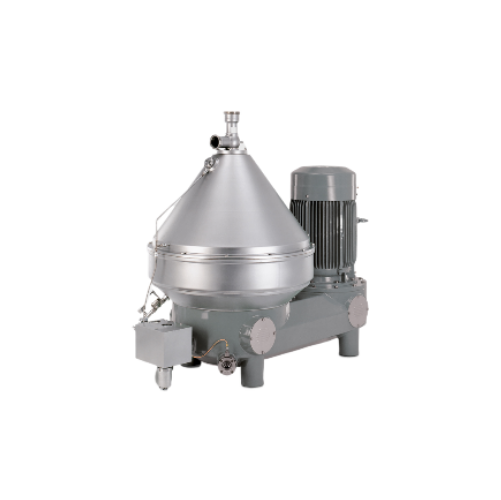
Manufacturing and processing extraction equipment is crucial for isolating specific compounds or components from raw materials through various extraction techniques. This equipment plays a significant role in a wide range of industries, including pharmaceuticals, food and beverage, chemicals, and environmental management, where the extraction of valuable substances is essential for product development and quality.
Extraction processes can involve the separation of solid, liquid, or gaseous components from mixtures, utilizing methods such as solvent extraction, supercritical fluid extraction, and mechanical separation. The efficiency and effectiveness of extraction equipment directly impact the yield and purity of the desired products, making it a key factor in the overall success of manufacturing operations.
We are continuously updating the information on our website to serve you better! If you’re seeking details about our equipment or have any specific inquiries, please don’t hesitate to reach out to us at info@foodtecpro.com. Our dedicated team is ready to assist you, and one of our managers will get in touch with you shortly to provide the information you need. Thank you for your patience and support!
Extraction Equipment

Extraction Equipment

Extraction Equipment

PROCESS SOLUTIONS
Material Preparation
Material Sorting and Organization
Material Handling
Mixing, Blending and Agitation
Heating and Cooking
Cooling and Preservation
Separation and Filtration
Forming and Shaping
Coating and Decorating
Packaging and Sealing
Automation and Control
Sanitation and Cleaning
Inspection and Quality Control
Storage and Preservation
Chemical and Advanced Processes
- Blowing Equipment
- Carbonation Equipment
- Concentration Equipment
- Crystallization Equipment
- Dissolution Equipment
- Evaporation Equipment
- Extraction Equipment
- Distillation Equipment
- Fermentation Equipment
- Encapsulation Equipment
- Degassing Equipment
- Dehumidifying Equipment
- Dehydration Equipment
- Bio-Decontamination Equipment
Waste Management and Recovery
Final Processes and Finishing

Join Us at Global Exhibitions Near You
We’re excited to showcase our latest innovations and solutions at exhibitions around the world! These events are the perfect opportunity to connect with our team, explore our cutting-edge technologies, and discover how we can support your business needs. Join us at a location near you and experience firsthand how we’re shaping the future of industries. We look forward to meeting you!
Extraction Equipment
Manufacturing and processing extraction equipment is designed to isolate and purify specific compounds or components from raw materials through various extraction techniques. This equipment is essential in a range of industries, including pharmaceuticals, food and beverage, chemicals, and environmental management, where the extraction of valuable substances is critical for product development, quality, and profitability.
Extraction processes can involve the separation of solids, liquids, or gases from mixtures, employing methods such as solvent extraction, supercritical fluid extraction, and mechanical separation. The efficiency and effectiveness of extraction equipment directly influence the yield and purity of the desired products, making it a pivotal factor in the overall success of manufacturing operations.
Types of Extraction Equipment
- Solvent Extractors. Solvent extractors utilize a solvent to dissolve and separate specific compounds from raw materials. The process typically involves mixing the solid material with a solvent, allowing the desired compounds to dissolve and then separating the solution from the remaining solids. Applications: Commonly used in the food industry to extract oils from seeds, in pharmaceuticals to isolate active ingredients, and in chemical processing.
- Supercritical Fluid Extractors. This equipment uses supercritical fluids, often carbon dioxide, as a solvent for extraction. Supercritical fluids exhibit unique properties that allow them to penetrate materials like a gas while dissolving substances like a liquid, enabling efficient extraction. Applications: Widely used in the food industry for extracting flavors and essential oils, as well as in pharmaceuticals for extracting bioactive compounds.
- Mechanical Separators. Mechanical separators use physical methods such as centrifugation, filtration, or sedimentation to separate components based on their physical properties, such as size or density. Applications: Commonly used in the food industry to separate solids from liquids, such as in juice production, and in wastewater treatment processes.
- Maceration Equipment. Maceration involves soaking and breaking down solid materials to facilitate the extraction of soluble compounds. This process can be enhanced using agitation or mechanical action. Applications: Used in the food and beverage industry for extracting flavors and nutrients from fruits and herbs, as well as in pharmaceuticals for herbal extractions.
- Percolators. Percolators continuously pass a solvent through a bed of solid material to extract soluble compounds. The solvent percolates through the material, gradually extracting desired components. Applications: Used in the production of herbal teas and in the extraction of flavors in the food industry.
- Liquid-Liquid Extractors. These extractors separate compounds based on their solubility in two immiscible liquids. The process involves mixing the liquids and allowing the desired compound to transfer from one liquid phase to another. Applications: Commonly used in the chemical industry for separating organic compounds and in pharmaceuticals for isolating active ingredients.
- Ultrasonic Extraction Equipment. Ultrasonic extractors use high-frequency sound waves to create cavitation bubbles in a solvent, enhancing the extraction of compounds from solid materials. This method increases mass transfer and accelerates the extraction process. Applications: Effective in extracting essential oils, flavors, and active compounds from plants and herbs in both food and pharmaceutical applications.
- Extraction Columns. These columns facilitate continuous extraction processes, where raw materials are fed into the column, and solvents are passed through to extract specific compounds efficiently. Applications: Widely used in large-scale solvent extraction processes in the chemical and petrochemical industries.
Importance of Extraction Equipment in Industrial Processing
- Product Quality: Extraction equipment is essential for producing high-purity products that meet industry standards, particularly in the food and pharmaceutical sectors where quality is paramount.
- Resource Optimization: Efficient extraction processes maximize the use of raw materials, reducing waste and improving overall profitability.
- Versatility Across Industries: The diverse range of extraction technologies allows for application in multiple sectors, from food processing and pharmaceuticals to chemical manufacturing and environmental applications.
- Cost Efficiency: Advanced extraction equipment is designed to optimize yields while minimizing solvent use and processing time, leading to significant cost savings.
- Regulatory Compliance: Properly functioning extraction equipment ensures that processes meet regulatory requirements for safety and quality, particularly in industries like food and pharmaceuticals.
Applications of Extraction Equipment Across Industries
- Pharmaceutical Industry: Isolating active pharmaceutical ingredients (APIs) and other bioactive compounds for drug formulation, ensuring compliance with regulatory standards.
- Food and Beverage Industry: Extracting flavors, oils, and nutrients from raw materials, such as fruits, vegetables, and herbs, to enhance product quality and taste.
- Chemical Industry: Producing concentrated chemical solutions and recovering valuable solvents for reuse in manufacturing processes.
- Environmental Management: Extracting pollutants and contaminants from waste streams to facilitate recycling and remediation efforts.
Manufacturing and processing extraction equipment is a vital component of modern production processes, enabling the effective isolation and purification of valuable compounds from raw materials. From solvent extractors and supercritical fluid extractors to mechanical separators and ultrasonic equipment, each type of extraction technology serves a specific purpose in achieving high-quality products. As industries continue to prioritize innovation, efficiency, and sustainability, the role of extraction equipment will remain essential in driving operational excellence and meeting the demands of diverse applications across various sectors.


