
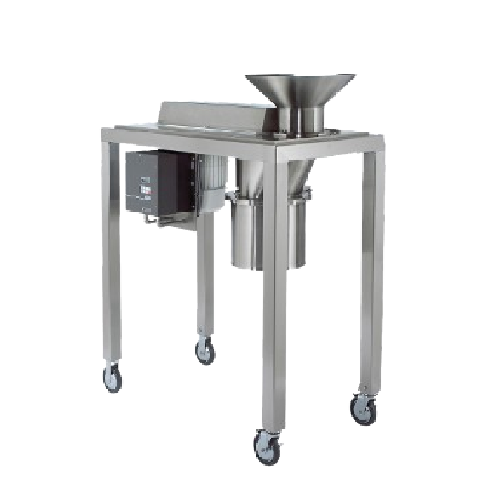
Milling solutions are essential in food processing and many other industries, transforming raw materials like grains, pulses, and oilseeds into fine, uniform products such as flours and specialty powders. These milled ingredients form the basis for foods like bread, pasta, and snacks. Modern milling technologies—such as precision roller mills, automated control systems, and real-time quality monitoring—ensure consistent particle size, maximize yield, and enhance product quality while reducing manual labor and energy use.
Automation and digital controls have made milling more efficient, sustainable, and adaptable, minimizing waste and optimizing resource use. Beyond food, milling is also vital in sectors like pharmaceuticals and construction, where precise size reduction is critical. In food, milling not only reduces size but also improves taste, texture, and nutritional value by releasing key components.
We are continuously updating the information on our website to serve you better! If you’re seeking details about our equipment or have any specific inquiries, please don’t hesitate to reach out to us at info@foodtecpro.com. Our dedicated team is ready to assist you, and one of our managers will get in touch with you shortly to provide the information you need. Thank you for your patience and support!
Milling Technologies





Milling Process Equipment
Comprehensive List of Equipment and Process Flow for a Factory Utilizing Milling Technology (for Coffee Beans, Seeds, Herbal Teas, Instant Coffee, Leavening Agents, Grains, Breadcrumbs, Vegetable Powders, Thickening Agents, Corn Kernels, Animal Feed, Fruit Powders, Instant Tea, Dried Spices, Dairy Powders, Nut Butters, Broth Powders, Fish Fillets, Protein Isolates, Cheese Powders, Yogurt Powders, Cocoa Beans, Soup Bases, Poultry Meal, Plant Proteins, Sugar Crystals, Baby Food, Pet Food, Egg Powders)
Milling is a critical process in food manufacturing, enabling the transformation of raw materials into fine powders, granules, or specific particle sizes required for a wide range of products. Below is a detailed, stepwise overview of the equipment and process flow for a factory utilizing milling technology, tailored to the products you listed. This structure mirrors the comprehensive approach used for grinding and cutting process equipment and incorporates best practices from industrial food processing.
1. Raw Material Handling & Storage
- Bulk storage silos and bins (for grains, seeds, coffee beans, sugar, corn, animal feed, dried teas, dairy powders, cocoa beans, etc.)
- Refrigerated storage (for perishable items: dairy powders, fish fillets, nut butters, egg powders, baby food, pet food)
- Ingredient bins and hoppers (for pre-cleaned, pre-processed ingredients)
- Automated feeding and dosing systems (for precise delivery to milling lines)
- Conveyor belts and elevators (for moving raw materials to processing stations)
- Washing and sorting lines (for cleaning and grading produce before milling)
2. Ingredient Preparation
- Washing machines (rotary drum, brush, bubble washers for vegetables, fruits, seeds)
- Sorting and inspection systems (manual or automated, for defect removal)
- Peeling machines (for vegetables, fruits, cocoa beans)
- De-hulling and shelling machines (for seeds, grains, cocoa beans)
- Pre-cutting/dicing machines (for size reduction before milling, especially for vegetables, bread, fish fillets)
- Blanchers or steamers (for some vegetables, fruits, and fish to inactivate enzymes or soften texture)
- Roasters (for coffee beans, cocoa beans, seeds, nuts)
- Dryers (for moisture reduction in fruits, vegetables, teas, and herbs)
3. Milling, Pulverizing & Size Reduction
A. Mechanical Milling Equipment
- Roller mills (for grains, corn kernels, sugar crystals, cocoa nibs, animal feed, plant proteins)
- Material is crushed between rotating rollers for uniform particle size.
- Hammer mills (for grains, breadcrumbs, animal feed, vegetable powders, fruit powders, dried spices, thickening agents, protein isolates, soup bases, poultry meal, pet food)
- High-speed rotating hammers pulverize material against a screen.
- Pin mills (for instant coffee, instant tea, sugar, breadcrumbs, fine vegetable and fruit powders, dairy powders, egg powders, thickening agents)
- Pins on a rotating disc impact the material for fine grinding.
- Disc mills / Burr mills (for coffee beans, herbal teas, dried spices, cocoa nibs)
- Two abrasive surfaces grind the material with minimal heat, preserving flavor.
- Ball mills (for cocoa liquor, chocolate mass, some protein isolates, cheese powders)
- Rotating cylinders with grinding media for ultra-fine, homogeneous pastes or powders.
- Colloid mills (for nut butters, dairy powders, yogurt powders, broth powders, baby food, pet food)
- High-shear grinding for emulsions and fine pastes.
- Stone mills (for specialty flours, cocoa, spices, artisanal products)
- Traditional grinding for specific texture and flavor.
- Attrition mills (for sugar, breadcrumbs, thickening agents, protein isolates)
- Material is ground by friction between two surfaces.
- Meat/fish grinders (for fish fillets, poultry meal, pet food)
- Auger-driven systems with interchangeable plates for different grind sizes.
B. Specialized Milling Equipment
- Cryogenic mills (for heat-sensitive products: herbal teas, dried spices, protein isolates, instant coffee, instant tea, dairy powders)
- Use of liquid nitrogen to prevent heat buildup and preserve volatile compounds.
- Air classifying mills (ACM) (for fine powders: instant coffee, instant tea, protein isolates, dairy powders, sugar, thickening agents)
- Combine impact and air classification for precise particle size control.
- Jet mills (for ultra-fine size reduction: protein isolates, instant products, baby food, nutraceuticals)
- Particles impact each other at high speed, minimizing heat.
- Pulverizers (for powdered sugar, dried spices, vegetable and fruit powders, broth powders)
- High-speed impact for ultra-fine powders.
4. Auxiliary Processing (Post-Milling)
- Mixers and blenders (for combining milled ingredients: instant mixes, soup bases, animal feed, baby food, pet food)
- Sieving and screening equipment (vibratory sieves, rotary sifters for particle size uniformity in flours, powders, spices, sugar, breadcrumbs)
- Air classifiers (for separating fine and coarse particles, especially in flour, protein isolates, and powdered sugar production)
- Pasteurizers (for milled dairy, baby food, pet food, broth powders)
- Dryers (for post-milling drying of powders, especially for fruit, vegetable, and dairy powders)
- Cooling tunnels (for heat-sensitive milled products)
5. Sieving, Sizing & Screening
- Vibratory sieves (to ensure uniform particle size in flours, spices, sugar, breadcrumbs, vegetable and fruit powders, dairy powders)
- Rotary sifters (for powders, crumbs, and small milled pieces)
- Optical sorters (for quality control of milled size and color)
6. Packaging
- Automated packaging lines (for milled coffee, instant products, flours, spices, sugar, breadcrumbs, cocoa powder, vegetable and fruit powders, dairy powders, protein isolates, baby food, pet food)
- Weighing, filling, and sealing machines (for powders, protein isolates, spice blends, instant mixes)
- Labeling and coding systems
- Modified atmosphere packaging (MAP) systems (for instant coffee, dairy powders, protein isolates, baby food, pet food, dried spices)
7. Conveying & Material Handling
- Conveyor belts (for moving product between process steps)
- Bucket elevators (for powders, milled products)
- Pneumatic conveying systems (for fine powders: sugar, flour, spices, dairy powders)
- Automated guided vehicles (AGVs) or robots (for palletizing and transport)
8. Quality Control & Inspection
- Metal detectors
- X-ray inspection systems
- Checkweighers
- Vision inspection systems (for color, particle size, surface defects)
- Sampling and laboratory analysis equipment (for moisture, particle size, microbial safety, flavor profile, nutritional content)
- HACCP plans and microbiological testing (especially for baby food, pet food, dairy powders, protein isolates)
9. Hygiene & Cleaning
- CIP (Clean-in-Place) systems (for mills, blenders, conveyors, tanks)
- COP (Clean-out-of-Place) systems (for removable parts)
- Sterilization units (for aseptic products)
- Handwashing and sanitizing stations
- Air filtration and positive pressure rooms (for sensitive products)
10. Utilities & Support Systems
- Compressed air systems
- Water treatment and filtration
- Steam boilers
- Refrigeration units
- Wastewater treatment systems
- Dust extraction and ventilation (critical for flour, sugar, spice, and dairy powder milling)
11. Automation & Control
- PLC and SCADA systems (for process automation and monitoring)
- Recipe management software
- Batch tracking and traceability systems
- Remote monitoring and diagnostics
PROCESS SOLUTIONS
Material Preparation
- Aeration Solutions
- Agglomeration Solutions
- Granulation Solutions
- Crushing Solutions
- Cutting Solutions
- Grinding Solutions
- Milling Solutions
- Sieving Solutions
- Sifting Solutions
- Size Reduction Solutions
Material Sorting and Organization
- Sorting Solutions
- Dividing Solutions
- Grouping Solutions
- Portioning Solutions
Material Handling
- Handling Solutions
- Feeding Solutions
- Loading Solutions
- Lifting Solutions
- Depalletizing Solutions
- Palletizing Solutions
- Palleting Solutions
- Unloading Solutions
Mixing, Blending and Agitation
- Agitation Solutions
- Blending Solutions
- Mixing Solutions
- Homogenization Solutions
- Kneading Solutions
- Emulsifying Solutions
- Dispersion Solutions
- Dispersing Solutions
- Stirring Solutions
Heating and Cooking
- Baking Solutions
- Boiling Solutions
- Cooking Solutions
- Frying Solutions
- Heating Solutions
- Preheating Solutions
- Roasting Solutions
- Pasteurizing Solutions
- Tempering Solutions
- Conching Solutions
- Proofing Solutions
- Smoking Solutions
Cooling and Preservation
- Chilling Solutions
- Cooling Solutions
- Freezing Solutions
- Conditioning Solutions
- Icing Solutions
- Cryogenic Freezing Solutions
- Lyophilization Solutions
- Vacuum Solutions
Separation and Filtration
- Centrifuging Solutions
- Clarifying Solutions
- Filtration Solutions
- Separating Solutions
- Separation Solutions
- Dewatering Solutions
- Draining Solutions
Forming and Shaping
- Forming Solutions
- Molding Solutions
- Moulding Solutions
- Compression Solutions
- Extrusion Solutions
- Conching Solutions
- Shaping Solutions
- Lamination Solutions
- Sheeting Solutions
- Stretching Solutions
Coating and Decorating
- Coating Solutions
- Decorating Solutions
- Enrobing Solutions
- Polishing Solutions
Packaging and Sealing
- Bagging Solutions
- Canning Solutions
- Cartoning Solutions
- Wrapping Solutions
- Sealing Solutions
- Capping Solutions
- Folding Solutions
- Stoppering Solutions
- Packaging Solutions
- Packing Solutions
- Bottling Solutions
Automation and Control
- Aligning Solutions
- Automation Solutions
- Measurement Solutions
- Monitoring Solutions
- Operation Solutions
- Integration Solutions
- Control Solutions
Sanitation and Cleaning
- Cleaning Solutions
- Sanitation Solutions
- Disinfection Solutions
- Bio-Decontamination Solutions
- Decontamination Solutions
- Washing Solutions
- Dedusting Solutions
- Rinsing Solutions
Inspection and Quality Control
- Analysis Solutions
- Inspection Solutions
- Detection Solutions
- Sampling Solutions
- Testing Solutions
- Validation Solutions
- Verification Solutions
- Quality Control Solutions
Storage and Preservation
- Storage Solutions
- Containment Solutions
- Vacuum Solutions
Chemical and Advanced Processes
- Blowing Solutions
- Carbonation Solutions
- Concentration Solutions
- Crystallization Solutions
- Dissolution Solutions
- Evaporation Solutions
- Extraction Solutions
- Distillation Solutions
- Fermentation Solutions
- Encapsulation Solutions
- Degassing Solutions
- Dehumidifying Solutions
- Dehydration Solutions
- Bio-Decontamination Solutions
Waste Management and Recovery
- Recycling Solutions
- Recovery Solutions
- Emptying Solutions
Final Processes and Finishing
- Labeling Solutions
- Marking Solutions
- Printing Solutions
- Shredding Solutions
- Slicing Solutions
- Peeling Solutions
- Trimming Solutions
- Testing Solutions


Process Flow Example for Selected Products
Coffee Beans
Raw Material Handling & Storage → Roasting → Cooling → Milling (burr mill, roller mill, disc mill) → Sieving/Screening → Packaging
Seeds, Grains, Corn Kernels
Raw Material Handling & Storage → Cleaning & Dehulling → Milling (roller mill, hammer mill, pin mill, stone mill) → Sieving/Screening → Packaging
Herbal Teas, Dried Spices
Raw Material Handling & Storage → Cleaning & Sorting → Drying (if needed) → Milling (pin mill, disc mill, cryogenic mill) → Sieving/Screening → Blending (if required) → Packaging
Instant Coffee, Instant Tea
Raw Material Handling & Storage → Extraction & Drying (spray/freeze drying) → Milling (air classifying mill, pin mill, jet mill) → Sieving/Screening → Packaging
Leavening Agents, Thickening Agents, Protein Isolates
Raw Material Handling & Storage → Milling (pin mill, air classifying mill, hammer mill) → Sieving/Screening → Blending (if required) → Packaging
Breadcrumbs
Raw Material Handling & Storage → Bread Cooling & Pre-cutting → Milling (hammer mill, attrition mill, pin mill) → Sieving/Screening → Packaging
Vegetable Powders, Fruit Powders
Raw Material Handling & Storage → Washing & Peeling → Pre-cutting → Drying → Milling (hammer mill, pin mill, pulverizer) → Sieving/Screening → Packaging
Dairy Powders, Cheese Powders, Yogurt Powders
Raw Material Handling & Storage → Pasteurization → Drying (spray/freeze drying) → Milling (pin mill, air classifying mill, ball mill) → Sieving/Screening → Packaging
Nut Butters
Raw Material Handling & Storage → Roasting → Milling (colloid mill, stone mill) → Homogenization → Packaging
Broth Powders, Soup Bases
Raw Material Handling & Storage → Cooking/Concentration → Drying → Milling (hammer mill, pin mill, air classifying mill) → Sieving/Screening → Blending → Packaging
Fish Fillets, Poultry Meal
Raw Material Handling & Storage → Pre-cutting/Trimming → Milling (meat/fish grinder, hammer mill) → Drying (if required) → Sieving/Screening → Packaging
Animal Feed, Pet Food, Baby Food
Raw Material Handling & Storage → Cleaning & Pre-processing → Milling (hammer mill, roller mill, pin mill, disc mill) → Sieving/Screening → Blending → Extrusion/Forming (if required) → Drying (if required) → Packaging
Sugar Crystals
Raw Material Handling & Storage → Milling (roller mill, pin mill, attrition mill) → Sieving/Screening → Packaging
Egg Powders
Raw Material Handling & Storage → Pasteurization → Drying (spray/freeze drying) → Milling (pin mill, air classifying mill) → Sieving/Screening → Packaging

Join Us at Global Exhibitions Near You
We’re excited to showcase our latest innovations and solutions at exhibitions around the world! These events are the perfect opportunity to connect with our team, explore our cutting-edge technologies, and discover how we can support your business needs. Join us at a location near you and experience firsthand how we’re shaping the future of industries. We look forward to meeting you!
Milling Equipment
Milling equipment is essential in the manufacturing and processing industries, designed to remove material from a workpiece to create specific shapes, sizes, and surface finishes. This equipment is widely used across various sectors, including metalworking, woodworking, food processing, and pharmaceuticals. By employing different milling techniques, businesses can produce high-precision components and enhance the overall quality of their products.
Types of Milling Equipment
- Vertical Milling Machines. Vertical milling machines feature a vertically-oriented spindle that holds the cutting tool. The workpiece is mounted on a table that can move up and down and side to side, allowing for versatile machining. Applications: Ideal for tasks requiring precision, such as drilling, boring, and milling flat surfaces. Commonly used in metalworking and manufacturing.
- Horizontal Milling Machines. In horizontal milling machines, the cutting tool is mounted on a horizontal spindle. The workpiece is fed into the rotating cutter, allowing for effective removal of material. Applications: Suitable for larger and heavier workpieces and tasks that involve creating grooves, slots, and complex shapes.
- CNC Milling Machines. Computer Numerical Control (CNC) milling machines are automated tools that utilize computer programming to control the movement of the milling cutter and workpiece. Applications: Widely used in industries requiring high precision and repeatability, such as aerospace, automotive, and medical device manufacturing.
- Universal Milling Machines. These machines offer versatility, allowing for both vertical and horizontal milling operations. The table can be adjusted in multiple directions for complex machining tasks. Applications: Used for a variety of milling applications, including shaping, drilling, and contouring in both metal and plastic parts.
- Milling Machines for Food Processing. Specialized milling equipment in the food industry is designed to grind grains, nuts, and other food products into flour or meal. This equipment often features food-safe materials and hygiene standards. Applications: Commonly used in bakeries, grain processing plants, and other food manufacturing facilities.
- Bed Mills. Bed mills have a stationary bed that supports the workpiece while the milling head moves vertically. This design provides increased stability for large workpieces. Applications: Suitable for heavy-duty milling operations and tasks requiring high precision.
Benefits of Milling Equipment
- Precision and Accuracy: Milling equipment allows for high levels of precision, ensuring that components meet strict tolerances and specifications.
- Versatility: Different types of milling machines can be adapted to a wide range of materials and applications, making them valuable in various industries.
- Efficiency: Automated milling systems, such as CNC machines, enhance production efficiency by reducing manual labor and increasing throughput.
- Surface Finish Quality: Milling can achieve smooth finishes and intricate details, improving the aesthetic and functional qualities of finished products.
Milling equipment is a cornerstone of modern manufacturing, enabling the effective transformation of raw materials into high-quality products. From vertical and horizontal milling machines to CNC and specialized food processing equipment, the variety of milling tools available ensures that businesses can meet diverse production needs. Understanding the capabilities and applications of milling equipment is essential for companies seeking to optimize their operations, enhance product quality, and maintain a competitive edge in the marketplace.