
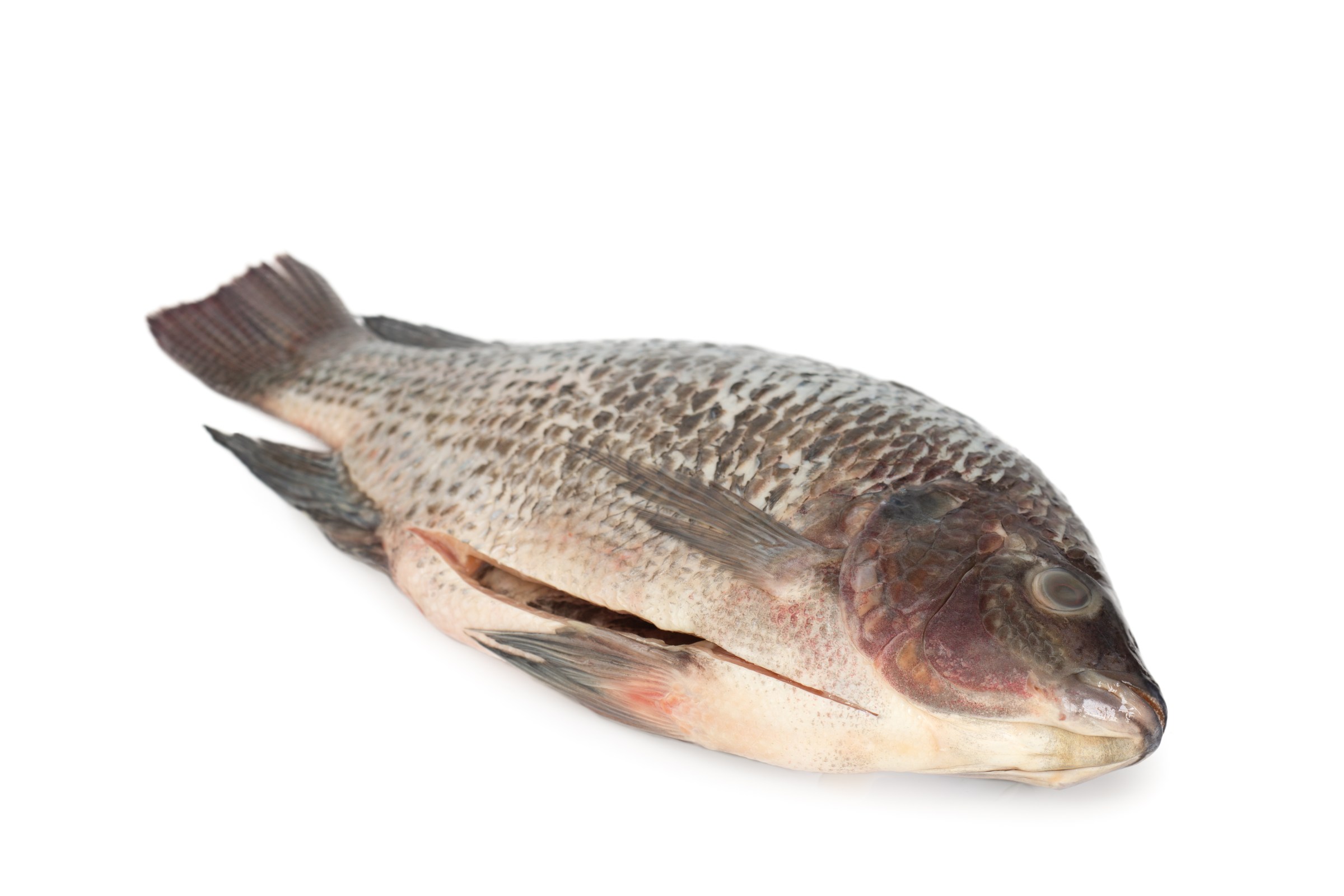
Gutted fish—fish that have had their internal organs (viscera) removed—are a staple product in the global seafood industry. The processing of gutted fish is a critical step that ensures food safety, extends shelf life, and prepares the product for further processing or direct sale. Modern gutted fish processing relies on a sophisticated array of specialized equipment designed to maximize efficiency, maintain hygiene, and deliver consistent quality. Below, we provide a comprehensive overview of the equipment, process flow, technical features, market trends, and food safety standards relevant to gutted fish processing.

Fish is a major source of high-quality protein, essential nutrients, and omega-3 fatty acids, making it a dietary staple worldwide. The global market for fish heading and gutting machines alone reached approximately USD 1.38 billion in 2024 and is projected to grow at a CAGR of 6.2%, reaching USD 2.36 billion by 2033. Automation and modernization are driving this growth, with Asia Pacific leading the market, followed by Europe and North America.


Visual Process Flow Diagram
Catch/Harvest
      │
      ▼
Onboard Handling & Chilling
      │
      ▼
Transport to Facility
      │
      ▼
Reception & Inspection
      │
      ▼
Washing & Cleaning
      │
      ▼
Grading & Sorting
      │
      ▼
Stunning & Slaughter
      │
      ▼
Evisceration (Gutting)
      │
      ▼
Deheading, Cutting, Filleting
      │
      ▼
Further Processing (Optional)
      │
      ▼
Chilling/Freezing
      │
      ▼
Packaging
      │
      ▼
Cold Storage & Distribution
Key Equipment Used in Gutted Fish Processing
Modern gutted fish processing lines utilize a range of specialized machines and tools, each designed for a specific stage of the workflow:
| Equipment Type | Function/Stage | Key Features |
|---|---|---|
| Infeed Systems | Receiving/Intake | Automated conveyors, steady product flow |
| Washing Machines | Cleaning | Removes slime, scales, debris |
| Scaling Machines | Scaling (if required) | Mechanically removes scales |
| Gutting/Evisceration Machines | Evisceration (Gutting) | Removes viscera, cleans cavity, high throughput |
| Bleeding Wheels | Pre-processing | Removes blood, improves shelf life |
| Grading Machines | Sorting/Grading | Automated, by size/weight/quality |
| Filleting Machines | Cutting/Filleting (optional) | Automated, high-yield, consistent fillets |
| Portion Cutters | Portioning | Uniform cuts for retail/foodservice |
| Freezers/Chillers | Chilling/Freezing | Rapid cooling, maintains freshness |
| Packaging Machines | Packaging | Vacuum sealing, MAP, labeling |
| Sanitation Systems | Cleaning/Hygiene | Automated cleaning, food safety compliance |
Focus: Gutting/Evisceration Equipment
- Manual Tools: Fillet knives for small-scale or artisanal gutting.
- Semi-Automatic and Automatic Evisceration Machines: Machines that use spinning wheels, brushes, and programmable settings to remove viscera and clean the bloodline kidney efficiently. These can process up to 40 fish per minute and accommodate a wide range of fish sizes (30–75 cm).
- Integrated Processing Lines: Combine gutting with deheading, filleting, and cleaning in a seamless workflow, often with modular automation for scalability.
Technical Specifications and Features
- Capacity & Throughput: Up to 40 fish per minute for industrial models; suitable for fish 30–75 cm in length.
- Power & Operation: Typically 3 kW electric, 3 x 400V, 50 Hz; some models use hydraulic power.
- Water Usage: 3–4 m³ at 3.5 bar for cleaning and processing.
- Materials: Polished stainless steel and FDA-approved materials for hygiene and durability.
- Automation: Fully automatic and semi-automatic options; programmable settings for different species and sizes.
- Hygiene: Easy-to-clean design, central lubrication, and CE safety marking.
- Integration: Remote service, data tracking, and smart sensors for real-time monitoring and predictive maintenance.
Efficiency, Throughput, and Automation
- Yield Optimization: Automated gutting and filleting machines can achieve yields of 85–88% in salmon processing, with overall fish yield improvements from 60% to 80% in highly automated factories.
- Labor Efficiency: Automation reduces manual labor, increases throughput, and improves consistency.
- Quality Control: Vision systems and AI-driven quality checks ensure real-time defect detection and product consistency.
- Market Share: Fully automatic gutting machines are projected to capture 58% of the market by 2025.
Market Trends and Innovations
- Automation & Robotics: High-speed, consistent, and hygienic processing with minimal manual intervention.
- Smart Sensors & AI: Real-time monitoring, precision, and yield optimization.
- IoT & Machine Vision: Remote monitoring, predictive maintenance, and defect detection.
- Sustainability: Energy-efficient, waste-minimizing, and easy-to-clean designs.
- Customization & Modularity: Machines adaptable to various fish species and processing needs.
Food Safety Standards and Regulations
- HACCP (Hazard Analysis and Critical Control Points): Mandatory for seafood processors, with critical control points established for gutting/evisceration.
- Sanitary Processing Regulations: Facilities and equipment must be easy to clean and sanitize; waste must be promptly removed.
- Good Hygienic Practices (GHP): Timely gutting, careful handling, and strict personal hygiene are required.
- Codex Alimentarius Code of Practice: Gutting should be performed in designated areas with proper drainage and waste disposal; temperature control is critical.
- Traceability: Each batch of gutted fish must be traceable to its source, with records maintained throughout processing and distribution.
Frequently Asked Questions (FAQ)
Gutting machines remove the internal organs and clean the body cavity, while filleting machines separate the flesh from the bones to produce boneless fillets. Some integrated machines can perform both functions in a single workflow.
Consider your target output, available space, and market demand. Modular and scalable equipment allows for flexibility as your business grows.
Exporting typically requires HACCP certification, compliance with GMP, and, depending on the destination, additional certifications such as SPS, GFSI, or country-specific approvals (e.g., FDA, NOAA/USDC for the U.S., CE for Europe).
Regular cleaning after each use, weekly inspections, and scheduled preventive maintenance are essential for food safety and equipment longevity. Detailed maintenance records help ensure compliance.
Many modern processing lines are designed for flexibility and can be adjusted to handle various species and product types. Switching between products may require cleaning, changing machine settings, or swapping out specific components.
Gutted fish processing relies on a suite of advanced, hygienic, and efficient equipment to deliver high-quality products to consumers worldwide. From manual knives to fully automated gutting machines with AI-driven quality control, each step is supported by specialized machinery designed to maximize yield, ensure safety, and maintain the natural qualities of the fish. As global demand for processed seafood continues to rise, investment in modern gutting equipment and adherence to rigorous food safety standards remain essential for success in this dynamic industry.